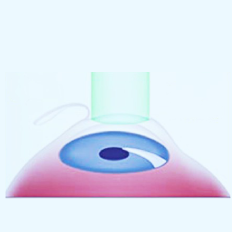
At Urmil Eye Hospital, we understand that your eye health is a top priority. Our commitment to excellence, state of the art technology and patient-centric approach set us apart in the field of ophthalmology. Here are a few compelling reasons to choose us for your eye care needs:
Discover Real Success Stories and Patient Experiences
Posted on
kinjal patel
Trustindex verifies that the original source of the review is Google.
Very good staff and doctor
Posted on
Herry Patel
Trustindex verifies that the original source of the review is Google.
Clean hospital and polite staff. The doctor explained everything clearly.
Posted on
snehankit baviskar
Trustindex verifies that the original source of the review is Google.
excellent doctors, supportive staff, great experiences clear vision, comfortable procedures, clean facilities, efficient processes, and specific commendations for explanations, communication, and personalized care.
Posted on
RAHUL HALPATI (lovely)
Trustindex verifies that the original source of the review is Google.
Nice hospital
Posted on
Ramila Shingada
Trustindex verifies that the original source of the review is Google.
Very good Urmil eye hospital. My mother in-law pterygium surgery was done successfully. Doctors and staff were kind and professional. We are very satisfied.Thank you Dr. Dimple shah
Posted on
dabhi hetvi
Trustindex verifies that the original source of the review is Google.
Comfortable and good experience. Recommended for others
Posted on
Sanskruti Patil
Trustindex verifies that the original source of the review is Google.
The doctor is very nice and explains in detail or briefly
Posted on
Vijaykumar Upadhyay
Trustindex verifies that the original source of the review is Google.
Good Urmila eye hospital with friendly doctors and helpful staff. Clean place and quick service. I’m satisfied with the treatment. Thank you Dr. Dimple shah 😊
Posted on
Lalit Patel
Trustindex verifies that the original source of the review is Google.
Very good eye hospital. Clean place and kind staff. Doctor explained everything nicely. ☺️